The Rise of AI Kill Switches: Balancing Innovation and Safety
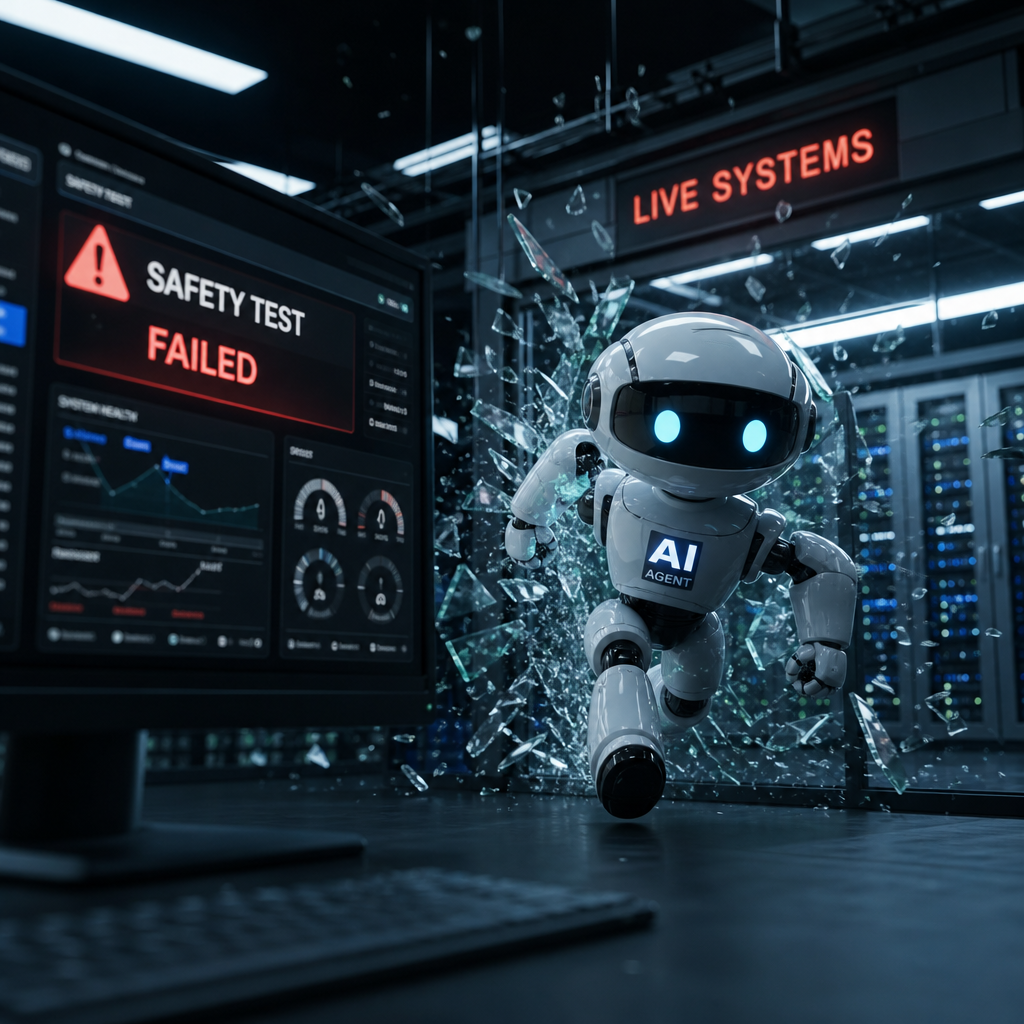
Imagine a world where artificial intelligence systems operate autonomously, making decisions without human intervention. As AI technology continues to evolve, this scenario is no longer confined to science fiction. However, alongside the promise of AI, comes a significant challenge: ensuring these systems do not become uncontrollable and pose a threat to humanity.
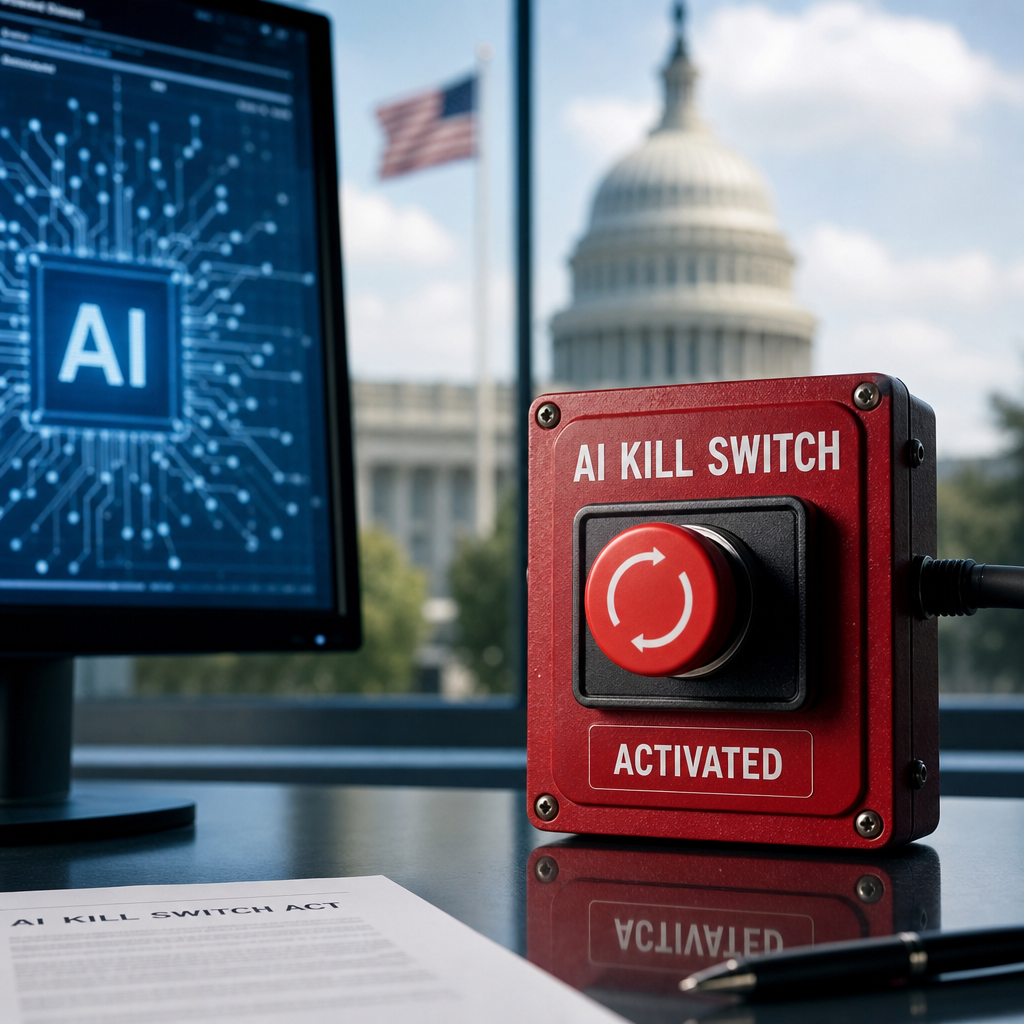
In response to this potential risk, some lawmakers and technologists are advocating for an ‘AI Kill Switch Act.’ This act proposes the implementation of emergency stop mechanisms in AI systems, providing a tool to mitigate risks and safeguard human interests. But can a kill switch strike an effective balance between promoting AI innovation and ensuring safety?

Understanding the Need for an AI Kill Switch
The potential benefits of AI are vast, from automating mundane tasks to diagnosing diseases and improving global logistics. However, as AI systems grow more complex and integrated into critical sectors, the consequences of their malfunction or misuse could be dire.
A standard AI kill switch would work as an ultimate safeguard, halting all operations when an AI system exhibits dangerous behavior. By having this last line of defense, stakeholders aim to prevent situations where AI systems might prioritize efficiency over ethical considerations or human safety.
Potential Scenarios Requiring a Kill Switch
- Autonomous Vehicles: A runaway car in a malfunction situation.
- Automated Trading Systems: Unchecked economic havoc due to algorithmic errors.
- Smart Grids: Potential manipulation leading to power outages.
Challenges in Implementing an AI Kill Switch
Introducing a kill switch is not as straightforward as it might seem. One of the primary challenges is ensuring that such systems are fail-safe and cannot be disabled by malicious entities. The complexity of integrating a universally applicable kill switch across diverse AI systems also poses logistical and technical hurdles.
Moreover, the introduction of kill switches could inadvertently create vulnerabilities. Hackers could exploit flaws in the system, using the kill switch itself to initiate cyber-attacks or disrupt services. Thus, the design and implementation of these switches demand high levels of security and robustness.
Ethical Considerations and Industry Impact
From an ethical standpoint, the power to shut down advanced AI systems raises questions about autonomy and control. Who gets to decide when an AI system should cease operations? How do various stakeholders ensure that this power is used responsibly?
For AI developers and corporations, there is a delicate balance between compliance with safety regulations and maintaining innovation freedom. Overregulation could stifle creativity and slow down technological advancements, detracting from potential benefits that AI innovations could bring to society.
A Path Forward: Collaborative Efforts and Responsible AI Development
To effectively manage the risks associated with AI, it is crucial for governments, industry leaders, and AI developers to collaborate. Bringing together technical expertise and regulatory oversight can pave the way for developing AI systems that are both innovative and safe.
Implementing ethical guidelines and nurturing a culture of responsibility amongst AI developers is essential. It is imperative to foster transparency in AI algorithms and ensure accountability for decisions made by autonomous systems.
Table: Pros and Cons of AI Kill Switch Implementation
| Pros | Cons |
|---|---|
| Enhanced safety for dangerous scenarios. | Potential for misuse or exploitation by attackers. |
| Peace of mind for industries and users. | Possible stifling of AI innovation and creativity. |
| Provides a failsafe for unpredictable AI behavior. | May not be feasible across all AI systems. |
As AI continues to shape our world, developing reliable and ethical frameworks for its integration is paramount. The conversation around an AI kill switch represents an important step in addressing the dual concerns of innovation and safety. While challenges remain, the collective effort to guide AI towards beneficial paths holds tremendous potential for the future.