Fitness Tech: A Love for Features, A Mistrust in Accuracy
Fitness technology has seamlessly woven itself into our daily lives, making exercise tracking more accessible and engaging. Devices like Fitbit offer features that transform mundane workouts into interactive experiences. However, a subtle skepticism lingers, affecting the trust users place in these gadgets.
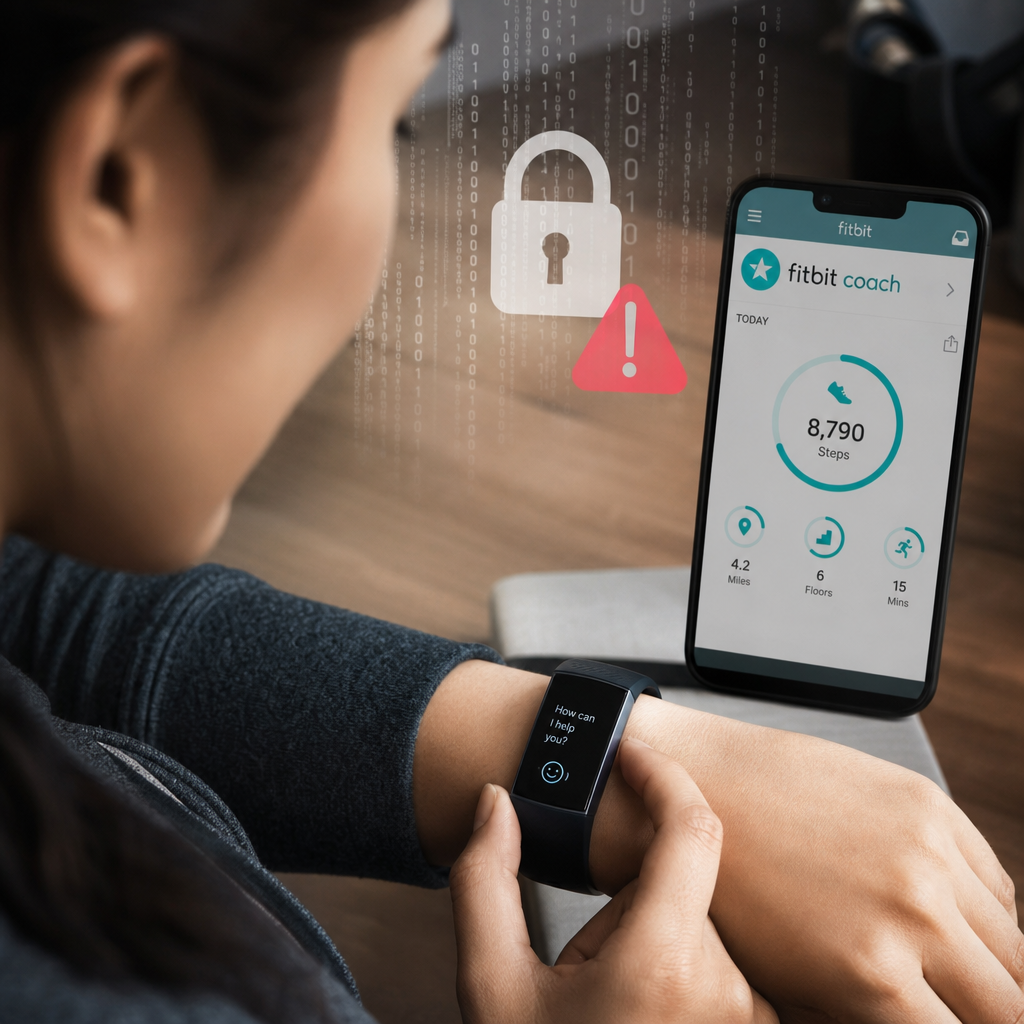
The tech industry is consistently innovating, yet the question of trust remains unsolved. While fitness enthusiasts are enamored with the sleek design and exciting features of devices like Fitbit Coach, their reliability and accuracy often raise eyebrows.

The Appeal of Fitness Technology
Fitness devices have fundamentally altered our approach to health and exercise. Their user-friendly interfaces and real-time feedback create a compelling experience for users.
- Engagement: Interactive features motivate users to maintain a healthy lifestyle.
- Customization: Personalized plans cater to individual fitness levels and goals.
- Accessibility: Tech makes fitness guidance affordable and available to the masses.
Skepticism in Data Accuracy
Despite their growing popularity, fitness trackers are often criticized for their data accuracy. Many users express concerns about discrepancies in metrics like heart rate, steps, and calories burned.
Common Issues
- Heart Rate Monitoring: Variability in readings can lead to mistrust.
- Caloric Calculation: Estimates vary significantly between devices.
- Step Counting: Sensitivity leads to inaccurate counts during mundane activities.
Table of Popular Fitness Trackers and Accuracy Concerns
| Device | Known Issues |
|---|---|
| Fitbit | Heart rate inaccuracies |
| Apple Watch | Inconsistent step counts |
| Garmin | Caloric estimation reliability |
The Bigger Picture: Trust in Tech
The broader issue extends beyond fitness trackers to the entire tech industry. In the pursuit of innovation, trust has become a formidable challenge, causing users to question the reliability and privacy of their data.
Factors Fueling Distrust
- Privacy Concerns: Data breaches and mishandling of personal information erode trust.
- Transparency: Lack of clarity in how data is used and processed leaves users wary.
- Accuracy of Algorithms: The impact of algorithm inaccuracies on decision-making processes.
Resolving these issues requires a concerted effort from tech companies to prioritize transparency, data accuracy, and privacy.