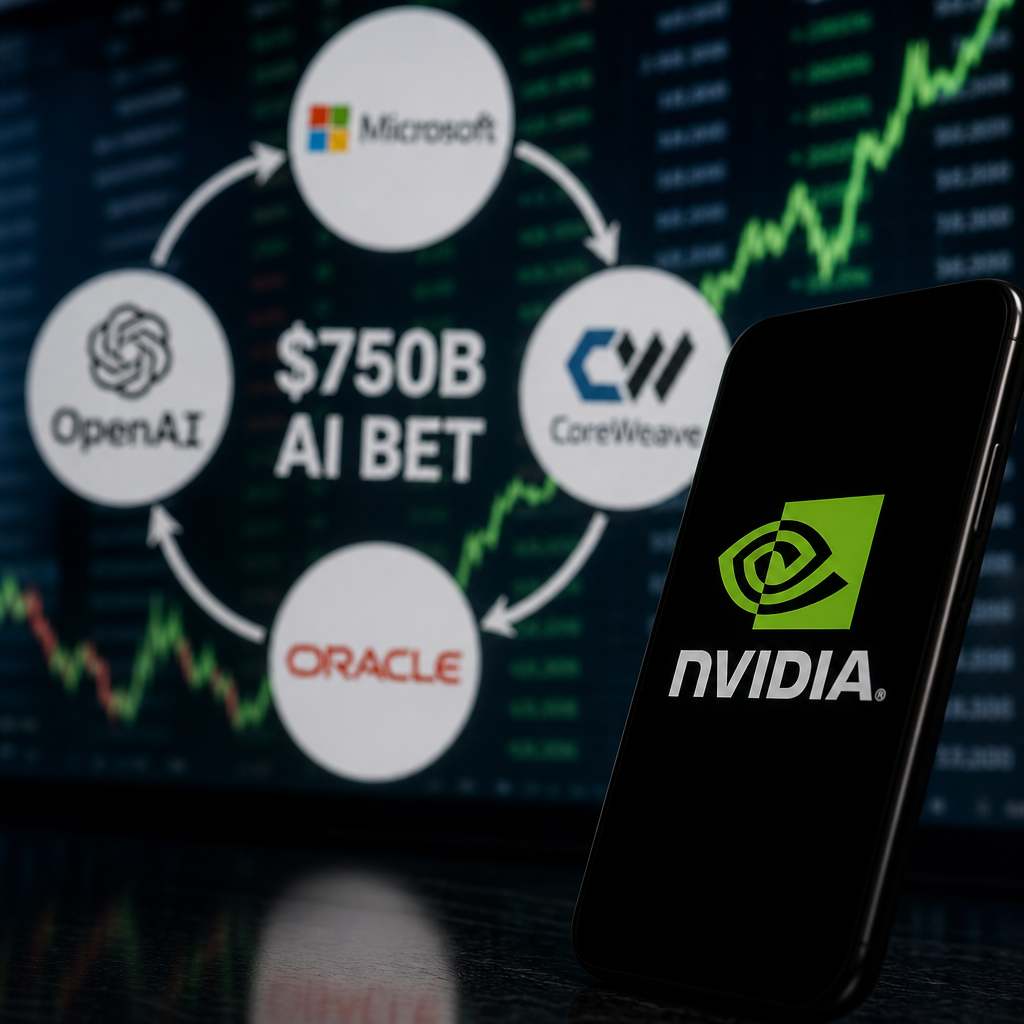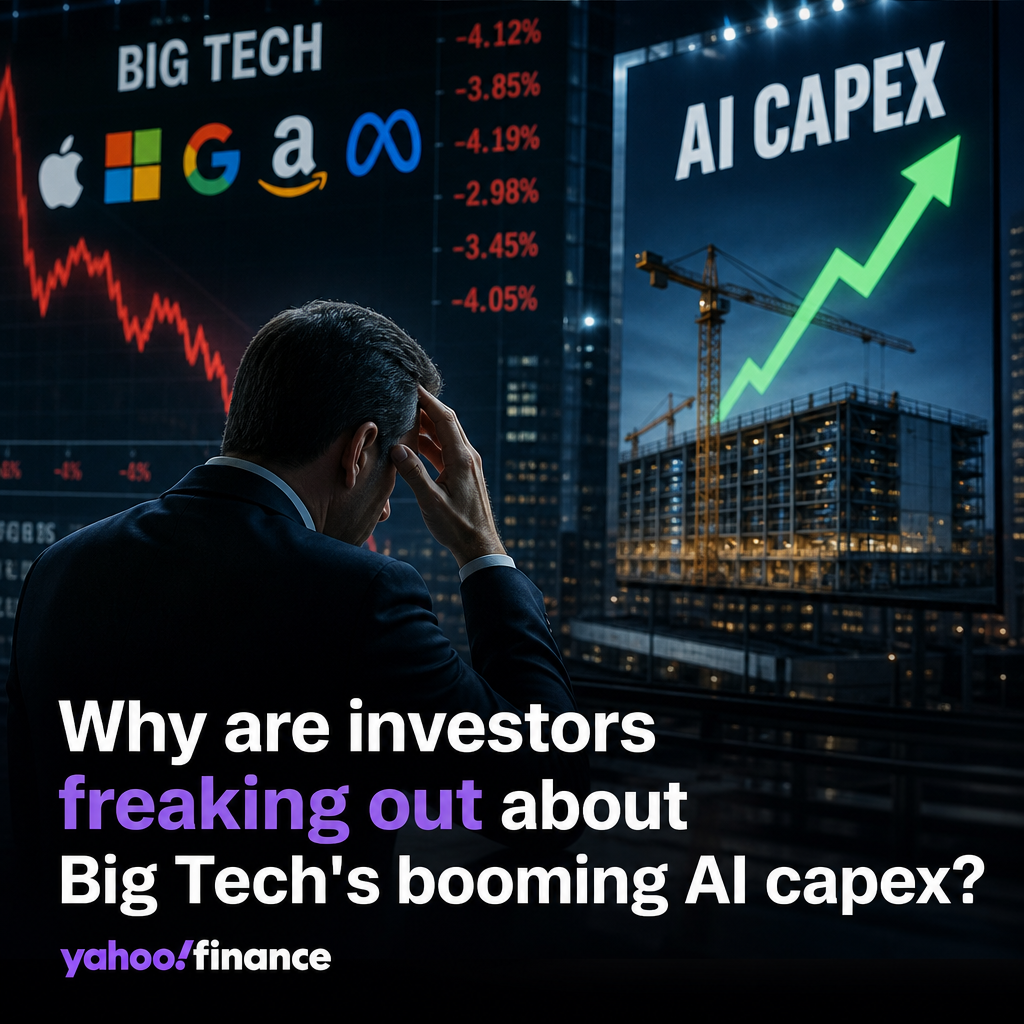
Amid the ceaseless buzz around artificial intelligence, Big Tech is dramatically ramping up its capital expenditure (capex) on AI capabilities. While this might seem like a thrilling development, not everyone is convinced it’s a sound move. Recent concerns are causing waves in investment circles, and it’s not hard to see why.
As AI’s potential continues to unfold, companies like Google, Amazon, and Microsoft are pouring billions into AI research and infrastructure. Yet, this level of spending isn’t being universally hailed as wise or necessary by investors. Let’s delve into why there’s apprehension and what it means for the future of technological innovation.

Under the Microscope: Big Tech’s AI Investments
Big Tech’s aggressive AI investments are driven by the immense competitive advantage that cutting-edge AI promises. The draw is undeniable; AI solutions can revolutionize everything from data analysis to customer interactions. However, the pressure to maintain a leadership position is escalating the financial stakes.
In recent years, AI capex has ballooned with no immediate financial returns in sight. This creates an air of uncertainty, making investors wary. The balance between long-term potential and near-term impact remains delicate.
- Alphabet (Google’s parent company) continues to bolster its AI programs, notably in areas such as robotics and natural language processing.
- Amazon’s spending is also significant, particularly around enhancing its cloud services with AI-driven capabilities.
- Microsoft, through Azure and OpenAI collaborations, is heavily investing in machine learning and AI-driven productivity tools.
Investor Concerns: Worth the Gamble?
The pressure from investors isn’t solely about the sums being spent. It’s about the uncertainty of what these investments will yield. Historically, technological investments can be hit or miss.
While AI offers tremendous upside, the infrastructure and research costs are massive. Investors thus question whether these expenditures align with sustainable business models.
The Financial Risks of Expansive AI Spending
For corporations with nearly inexhaustible resources, betting big comes naturally. However, even giants can topple. The risk of AI ventures not bearing fruit looms large.
Table: Potential Financial Outcomes of AI Investments
| Investment Outcome | Impact on Financials |
|---|---|
| Successful Revenue Generation | Increased profitability and market share |
| Sunk Costs with No ROI | Potential for financial strain and investor dissatisfaction |
Financial analysts are keeping a close watch on these investments, considering the volatile nature of technological innovation. Falling short could mean significant backlash.
Strategies for Navigating AI Capex Booms
For companies, one strategy is gradual scaling with clear milestones for AI projects. Proper timing in innovation investment remains crucial.
Transparency and consistent communication with investors regarding progress and expectations can help assuage concerns. By aligning ambitions with measurable goals, Big Tech can assure stakeholders of a more stable financial trajectory.
The Future Outlook: Optimism vs. Reality
The bottom line is, not even Big Tech can evade scrutiny when venturing into the unknown. As the AI capex dialogue continues, a measured approach could make all the difference.
The coming years may reveal whether these high-stakes AI investments live up to the hype, providing a litmus test for tech strategy in a rapidly evolving industry.