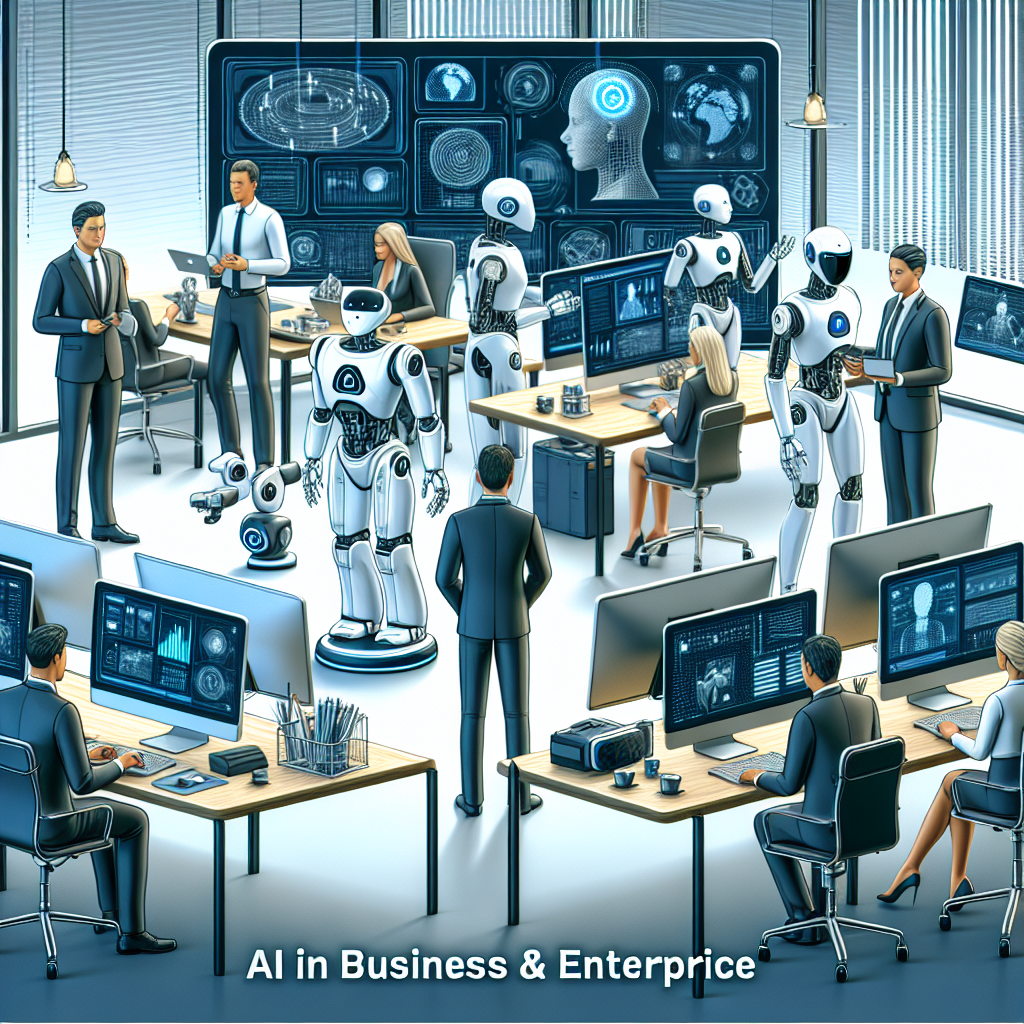
The Impact of AI on the Utility Industry
Imagine a world where the electricity grid anticipates your needs and environmental concerns are tackled with precision at any hour of the day. This is not the distant future – it is the era of AI in utilities. AI technology is transforming the utility sector, providing unprecedented efficiencies and capabilities.
From optimizing energy distribution to predictive maintenance, artificial intelligence is becoming an integral part of how utilities operate. This transformation is not just about innovation; it’s about delivering more reliable and sustainable services in an increasingly demanding world.

Optimizing Energy Distribution
AI systems optimize energy distribution by analyzing demand and supply data in real-time. This enables utility companies to efficiently allocate resources and minimize wastage.
For example, predictive analytics allows for improved load forecasting, ensuring faster response times to demand spikes. Such interventions reduce energy losses and enhance customer satisfaction.
The Role of Machine Learning
- Machine learning helps in identifying patterns from vast data sets, crucial for predicting energy consumption patterns.
- AI-driven models enable utilities to perform dynamic pricing, catering to demand fluctuations while maintaining grid stability.
Predictive Maintenance and Monitoring
One of the noteworthy benefits of AI in utilities is predictive maintenance. AI tools monitor the health of equipment, predicting failures before they happen.
This approach reduces downtime and extends the lifespan of infrastructure by scheduling maintenance only when necessary.
Impact on Operational Efficiency
- Improves coordination between field teams and operational centers, ensuring quick responses to issues.
- Reduces costs associated with unexpected repairs and asset replacements.
Enhancing Sustainability Efforts
AI not only optimizes current utility operations but also plays a pivotal role in sustainability initiatives. By integrating renewable energy sources effectively, AI supports the transition to greener alternatives.
Through efficient energy distribution and storage, AI facilitates the integration of renewables like solar and wind, reducing reliance on fossil fuels.
Table: AI in Utility Sustainability
| AI Application | Benefit |
|---|---|
| Energy Forecasting | Accurate prediction of renewable energy production. |
| Resource Allocation | Efficient distribution of energy resources. |
| Emission Monitoring | Real-time tracking of carbon emissions, aiding reduction efforts. |
Challenges and Ethical Considerations
While AI provides numerous advantages, it also presents challenges. Data privacy and security are primary concerns, especially when dealing with sensitive infrastructure data.
Moreover, AI implementation raises ethical questions about job displacement and the role of humans in decision-making processes.
Regulatory and Compliance Issues
- Compliance with regional regulations is crucial for AI adoption in utilities.
- Utility companies must address the ethical use of AI, ensuring transparency in AI-driven decisions.
AI is undeniably reshaping the utility industry. As AI technologies continue to evolve, their impact will be felt across all facets of utility management, from operational efficiencies to sustainability.
The integration of AI stands to redefine how utilities serve communities, transforming a traditional sector into a hub of innovation and sustainability.