Revolutionizing the IRS: Embracing AI and Tech for a Paperless Future
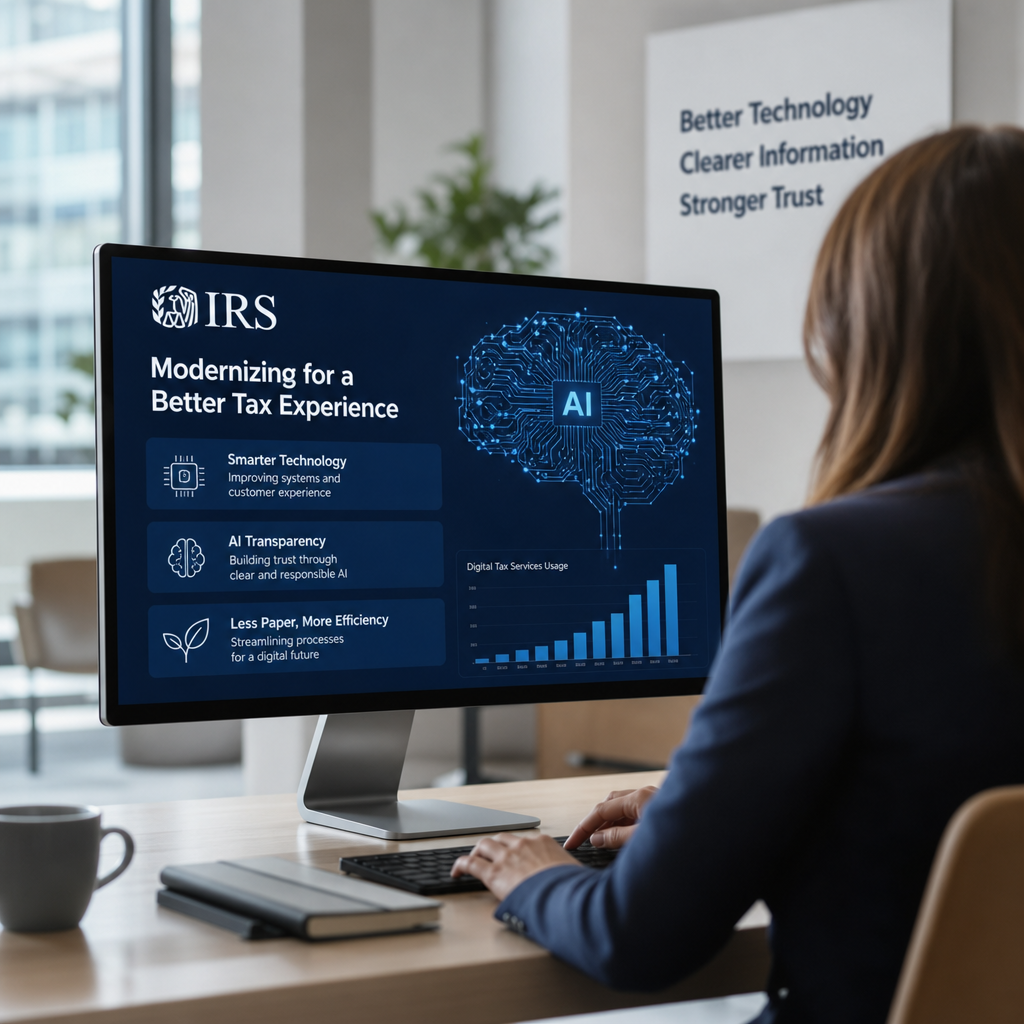
Imagine walking into an IRS office and completing all your tax-related tasks without ever touching a single piece of paper. Sounds like a dream, right? Yet, this could become a reality thanks to recent pushes from the IRS Advisory Committee, which advocates for embracing better technology, ensuring AI transparency, and significantly reducing paperwork.
In recent years, the necessity for technological advancement has become increasingly apparent across various sectors, and the IRS is no exception. With the rise of new tech and artificial intelligence, exploring these innovations has become crucial for improving efficiency and customer service.

The Shift to Digital: A Necessary Evolution
The IRS Advisory Committee acknowledges the importance of moving towards a more digital framework. This transition isn’t just about convenience—it’s about modernizing operations and making interactions smoother for taxpayers.
Benefits of Reduced Paperwork
- Increased Efficiency: Digital processes can handle volumes of data more swiftly and accurately than manual paper handling.
- Environmental Impact: Going paperless contributes to environmental sustainability by saving trees and reducing waste.
- Cost Savings: Reducing paper usage can lead to significant cost savings in the long run, from storage space to supply expenses.
AI Transparency: Building Trust in Tax Technologies
The integration of AI in the IRS’s operations is not without its challenges. One of the primary concerns is transparency, which is vital for building trust with taxpayers.
Ensuring Compliance and Fairness
- Clear Guidelines: AI systems need specific guidelines to ensure their decisions are fair and bias-free.
- Regular Audits: Routine audits of AI processes can help maintain transparency and accountability.
- Public Communication: Transparent communication with the public about AI systems in use can enhance understanding and trust.
A Glimpse at Future Tech: Automation and AI in the IRS
As the IRS considers adopting more AI and automation technologies, it must strategically plan for this integration to maximize benefits.
| Technology | Potential Impact |
|---|---|
| AI-Powered Chatbots | Improve customer service and provide quick resolutions to common inquiries. |
| Machine Learning Algorithms | Enhance the accuracy of tax processing and fraud detection. |
| Automated Data Entry | Reduce human error and increase processing speeds for tax returns and correspondence. |
Future Readiness: IRS’s Path Forward
- Strategic Planning: Deliberate and thoughtful integration strategies ensure smooth transitions.
- Stakeholder Engagement: Engaging with taxpayers and advisors to gather input and finetune tech use.
- Continuous Learning: Ongoing staff training in new technologies will be critical for successful implementation.


